
Introduction
Printed Circuit Board (PCB) fabrication is one of the most important processes in modern electronics manufacturing. Almost every electronic device, from industrial automation equipment and control systems to consumer electronics, requires a reliable PCB to connect electronic components and ensure stable operation.
For companies developing new electronic products or maintaining existing industrial equipment, choosing the right PCB fabrication partner is essential to achieve good quality, reliability, and cost efficiency.
Wingate Electronic provides professional PCB fabrication services in Malaysia, supporting prototype development, small batch production, and industrial PCB manufacturing requirements.
What Is PCB Fabrication?
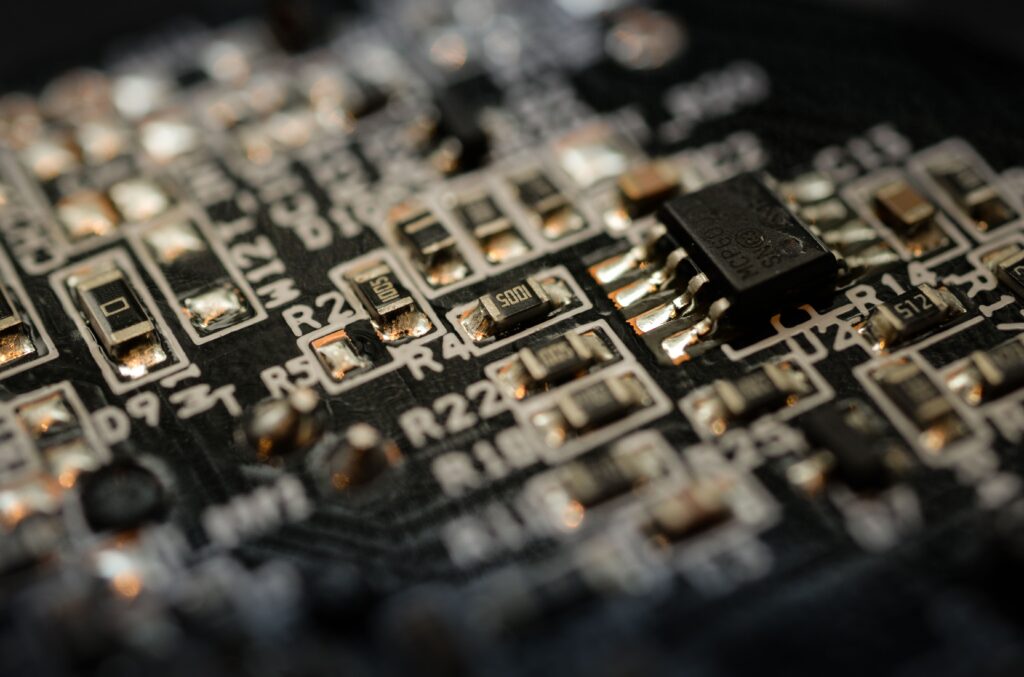
PCB fabrication is the process of manufacturing a printed circuit board based on a PCB design file. The fabrication process converts a PCB layout design into a physical circuit board by creating copper tracks, drilling holes, applying surface finishes, and performing quality inspections.
The main purpose of PCB fabrication is to create a reliable electrical connection between electronic components such as:
- Microcontrollers
- Integrated circuits (ICs)
- Resistors and capacitors
- Power components
- Connectors
- Sensors
- Industrial automation modules
A properly fabricated PCB ensures stable electrical performance and long-term reliability.
The PCB Fabrication Process
1. PCB Design and Engineering Review
Before manufacturing begins, the PCB design needs to be reviewed carefully.
The PCB design stage includes:
- Circuit schematic design
- PCB layout
- Component placement
- Signal routing
- Power distribution
- Design for Manufacturing (DFM) checking
A proper design review helps prevent manufacturing problems such as incorrect footprints, insufficient clearance, and signal interference.
2. Gerber File Preparation
The Gerber file is the standard file format used by PCB manufacturers to produce circuit boards.
Typical PCB fabrication files include:
- Gerber files
- Drill files
- PCB layer information
- Solder mask information
- Silkscreen data
- Board outline drawing
Accurate Gerber files are important because manufacturing errors can lead to delays and additional costs.
3. PCB Material Selection
Selecting the correct PCB material depends on the application requirements.
Common PCB materials include:
FR-4 PCB
FR-4 is the most commonly used PCB material because it provides:
- Good electrical insulation
- Excellent mechanical strength
- Cost effectiveness
- Wide application range
It is commonly used in industrial control boards, power supply boards, and electronic equipment.
High-Frequency PCB Materials
For applications requiring high-speed signals or high-frequency operation, specialised materials such as Rogers PCB may be required.
Applications include:
- RF communication systems
- High-frequency circuits
- Advanced industrial equipment
4. PCB Layer Construction
PCB layers are selected based on circuit complexity.
Common PCB layer options:
- Single-layer PCB
- Double-layer PCB
- Multilayer PCB
Multilayer PCBs are widely used in advanced industrial electronics because they provide:
- Better signal integrity
- Compact design
- Improved power distribution
Wingate Electronic supports PCB fabrication requirements from simple boards to complex multilayer designs.
4. PCB Layer Construction
PCB layers are selected based on circuit complexity.
Common PCB layer options:
- Single-layer PCB
- Double-layer PCB
- Multilayer PCB
Multilayer PCBs are widely used in advanced industrial electronics because they provide:
- Better signal integrity
- Compact design
- Improved power distribution
Wingate Electronic supports PCB fabrication requirements from simple boards to complex multilayer designs.
5. Copper Etching and Circuit Formation
During fabrication, copper layers are processed to create the required circuit patterns.
The process includes:
- Copper lamination
- Photo imaging
- Etching
- Layer alignment
- Inspection
This creates the electrical pathways needed for component connections.
6. Drilling and Plating
PCB manufacturers drill holes for:
- Through-hole components
- Vias
- Connectors
- Mechanical mounting
After drilling, copper plating is applied to ensure proper electrical connection between PCB layers.
7. Surface Finishing
Surface finishing protects exposed copper areas and improves solderability.
Common PCB surface finishes include:
HASL (Hot Air Solder Leveling)
Advantages:
- Cost effective
- Good solderability
- Suitable for general applications
ENIG (Electroless Nickel Immersion Gold)
Advantages:
- Flat surface
- Better reliability
- Suitable for fine-pitch components
- Longer shelf life
The correct surface finish depends on the application and component requirements.
8. PCB Testing and Quality Inspection
Quality control is essential before PCB delivery.
Common inspection methods include:
- Visual inspection
- Electrical testing
- Automated Optical Inspection (AOI)
- Dimensional checking
Proper testing helps ensure the PCB meets customer specifications.
Factors to Consider When Choosing a PCB Fabrication Partner
1. Manufacturing Capability
A reliable PCB supplier should understand different PCB requirements, including:
- Prototype PCB
- Small quantity production
- Industrial PCB
- Custom PCB solutions
2. Quality Control
PCB quality directly affects the reliability of the final product.
Important quality factors include:
- Accurate dimensions
- Reliable copper thickness
- Proper surface finishing
- Consistent manufacturing process
3. Technical Support
A PCB fabrication partner should provide engineering support to identify potential issues before production.
Professional advice can help reduce:
- Manufacturing problems
- Production delays
- Unnecessary costs
Why Choose Wingate Electronic for PCB Fabrication in Malaysia?
Wingate Electronic provides PCB fabrication solutions for industrial and electronic applications.
Our services include:
- PCB fabrication
- PCB prototype manufacturing
- PCB assembly
- PCB design and layout
- PCB repair and inspection
We support various PCB requirements, including:
- FR-4 PCB
- Multilayer PCB
- Industrial control PCB
- Custom electronic circuit boards
With experience in industrial electronics and automation systems, Wingate Electronic helps customers transform their electronic designs into reliable finished circuit boards.
Conclusion
PCB fabrication is a critical step in electronics manufacturing. From PCB design verification and material selection to manufacturing and testing, every process affects the final quality and reliability of the circuit board.
Choosing an experienced PCB fabrication partner can help businesses reduce production risks, improve product quality, and shorten development time.
If you require PCB fabrication, PCB assembly, PCB design, or industrial electronic repair services in Malaysia, Wingate Electronic is ready to support your project.
Contact Wingate Electronic today for your PCB fabrication requirements.
